


Graduation doesn’t mark the end of learning—true lifelong learners know that. Another decade on the calendar doesn’t slow them down either. A lifelong learner is someone who never stops seeking knowledge, no matter their age. Even after 60, they stay curious, exploring new hobbies, skills, and interests to bring more joy, purpose, and fulfillment into their lives.
In this blog, we’ll explore 10 simple steps to help seniors embrace lifelong learning and continue growing every day.
10 Habits of Lifelong Learners
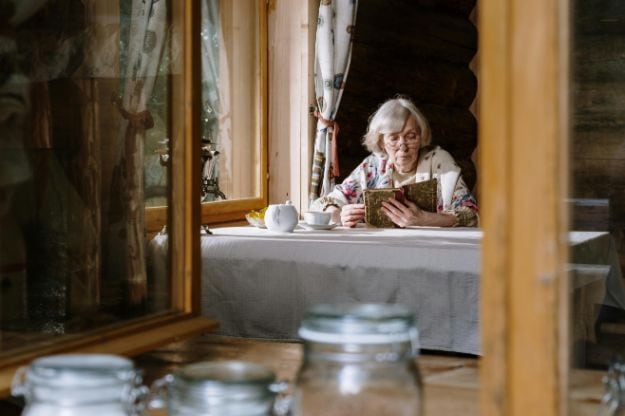
1. Stay curious about the world
Curiosity keeps lifelong learners young at heart. They ask questions, try new things, and never stop exploring.
Each adventure—whether it’s wandering through a museum, getting lost in a new city, or trying a new recipe—turns into an opportunity to learn. They immerse themselves in different cultures, embrace unfamiliar ideas, and let those experiences shift how they see the world. Even something as simple as a documentary or a cooking class can open new doors.
2. Make time for daily learning
Lifelong learners know that learning fits into small pockets of time. They dedicate just 15–30 minutes a day to reading, puzzles, or podcasts.
For example, they might read a chapter of a book before bed, solve a crossword puzzle with coffee in the morning, or watch an online video to pick up a skill, like gardening or painting.
It’s about consistency—not perfection.
3. Embrace challenges instead of avoiding them
New things can feel impossible, but lifelong learners take it one step at a time.
They might sign up for a yoga class even if they’ve never done a pose or tackle a smartphone when tech feels overwhelming. They know that facing challenges helps them grow stronger and sharper. Instead of saying, “I can’t do that,” they ask, “How can I learn this?”
4. Set learning goals, big or small
Goals give lifelong learners something to work toward. A small goal might be finishing a library book, while a bigger one could be learning a new language to chat with the grandkids.
They write down what they want to learn—like mastering photography basics or baking the perfect sourdough—and celebrate progress along the way. Achieving wins—big or small—fuels their excitement to keep going.
5. Surround yourself with mentors and like-minded people
Lifelong learners know learning happens in good company. As the age-old saying goes, “If you’re the smartest person in the room, you’re in the wrong room.” They join local book clubs, take community center classes, or connect with neighbors who share their interests.
It’s also true that two people can learn the same thing and walk away with completely different takeaways. Sharing those insights can deepen understanding, spark new ideas, and make learning even more valuable.
6. Practice active listening
They don’t just hear—they listen with intention. Lifelong learners pay attention in conversations, ask meaningful questions, and stay present.
For example, they might listen to a friend share a story and ask, “What was that like for you?” By listening well, they gain new perspectives, learn from others’ experiences, and strengthen their relationships.
7. Reflect on new knowledge
Lifelong learners take time to think about what they’ve learned. After watching a documentary, they might jot down their thoughts in a notebook or chat about it with a friend.
Did a new idea resonate? Did they learn something unexpected?
Reflecting helps them process and apply what they’ve discovered, making the experience more meaningful.
8. Stay open to feedback and new perspectives
Feedback can feel tough, but lifelong learners see it as a chance to grow.
Whether it’s tips from a painting instructor or suggestions on a gardening project, they take feedback as a gift. They stay open to hearing new perspectives, knowing they can always learn something—even from opinions they don’t agree with.
9. Use technology to keep learning
Lifelong learners embrace tools that make learning easy.
They download apps to learn a new language, take free classes on Coursera, or watch YouTube tutorials on fixing a leaky faucet. Even tech-shy learners can start small—like asking a family member to show them how to use their tablet for online courses or eBooks.
10. Find joy in learning
Learning is a gift, not a chore.
They focus on subjects they love and enjoy the process of learning, not just the outcome. For them, it’s about staying curious, excited, and engaged in life’s endless opportunities.
Breaking Down Learning Barriers for Seniors

- Making technology easier
There’s a wealth of knowledge just up for grabs online.
Senior-friendly classes and workshops make it simple to learn how to use the internet, apps, and online courses. One-on-one help from family, volunteers, or libraries makes the process even easier, giving seniors the confidence to learn at their own speed.
- Finding mobility-friendly options
Online classes let seniors learn comfortably from home, while accessible venues with good seating, clear sound, and easy entry ensure in-person workshops are practical and enjoyable. Options like virtual book clubs or hobby webinars open new doors to learning anytime, anywhere.
- Building a learning community
Learning is more fun when it’s shared. Book clubs, hobby groups, and senior programs bring people together to share ideas and discover new skills. Painting groups, language classes, or gardening clubs mix learning with connection, creating opportunities to meet people and have fun.
- Involving family for support
Family can make a big difference in a senior’s learning journey. Activities like puzzles, cooking classes, or online workshops become more rewarding when done together. Offering encouragement or helping seniors find resources keeps them motivated.
Where Seniors Can Find Great Learning Opportunities
- Local community centers and libraries
Community centers and libraries are great places to find classes, workshops, and events tailored for older adults.
- Online learning platforms
Websites like Coursera, edX, and YouTube make learning easy and accessible. Seniors can explore free or low-cost courses on almost any topic, from cooking to history, all from the comfort of home.
- Clubs and programs for seniors
Local clubs and programs bring older learners together through shared hobbies and interests. Book clubs, art groups, and tech workshops create opportunities to connect, socialize, and learn in a fun and supportive environment.
- Colleges and universities
Many colleges offer free or discounted courses for seniors. It’s a great way to dive into new subjects, meet others, and stay engaged in lifelong learning while enjoying a campus atmosphere.
Life Continues at 12 Oaks Senior Living
At 12 Oaks Senior Living, seniors find an environment designed to help them thrive, grow, and enjoy every day to the fullest. Our communities offer everything needed to support lifelong learning, hobbies, and meaningful connections.
Seniors can take part in fitness classes to stay active, enjoy chef-prepared meals with friends, or relax in beautifully landscaped outdoor spaces. For those looking to learn something new, we offer workshops, activity programs, and social events that keep the mind sharp and spirits high.
With access to libraries, comfortable gathering spaces, and dedicated staff, seniors can explore new interests, stay socially engaged, and live their best lives in a place they truly call home.
Find out how 12 Oaks Senior Living creates the perfect environment for fulfillment. Contact us today to learn more or schedule a visit!