
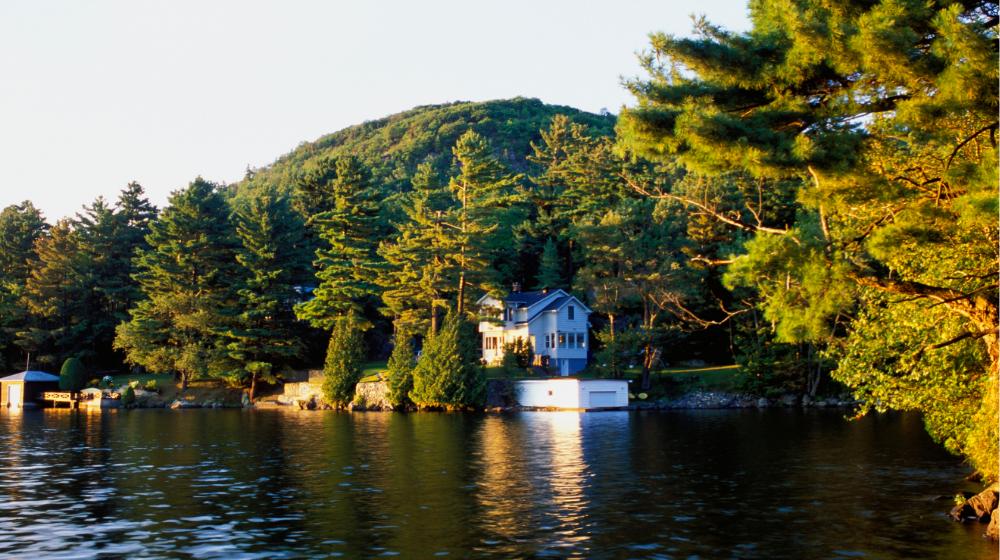

Senior cottage communities offer the best of both worlds: the freedom of independent living and the comfort of your own private space, without the burden of homeownership. Residents live in freestanding cottages, not shared rooms or apartment units, giving them both space and privacy. There’s no lawn to mow, no repairs to manage, and no outside maintenance to worry about.
You can enjoy a private, secure home while staying connected to a supportive community of neighbors. These communities are designed for active seniors who want independence, safety, social connection, and the ability to age in place as their needs evolve.
This guide explains what senior cottage communities are, how they work, who they’re best suited for, the lifestyle and benefits they offer, and how they compare to other types of senior living.
What Are Senior Cottage Communities?
Senior cottage communities, also known as cottage style retirement communities, are made up of small, detached or semi-detached homes designed for seniors within a larger retirement setting.
Each cottage offers a private entrance, kitchen, and living space, giving residents the comfort of a single-family home without the demands of homeownership or maintenance.
These communities create a balance between independence and connection. Residents enjoy the privacy of their own cottage while benefiting from shared amenities like clubhouses, walking trails, fitness centers, and social events, all within a vibrant, supportive environment.
Who Is a Cottage Style Retirement Community Best For?
Cottage style retirement communities are ideal for seniors who want the best mix of independence, privacy, and community connection. These residents are typically:
- Active, independent adults who can manage daily life without personal care support
- Seniors aged 60 and older who want to downsize from larger homes but still enjoy private living
- Socially engaged individuals who value having neighbors close by and enjoy activities, events, and shared amenities
- People ready to let go of home maintenance but not their freedom or lifestyle
- Seniors planning to age in place in a setting designed to adapt to evolving needs
How Do Senior Cottage Communities Work?
Senior cottage communities operate through either leasing or ownership models. Some offer cottages for rent, providing flexible, maintenance-free living with a monthly fee. Others allow residents to purchase their cottage, combining homeownership with access to shared services and amenities.
Most communities include:
- exterior maintenance and repairs
- landscaping and yard care
- community amenities such as clubhouses, fitness centers, and walking paths
- optional services like housekeeping, transportation, or meal plans, depending on the community
The social structure plays a big role in daily life. Organized events, group activities, and shared spaces help neighbors connect, enjoy time together, and build a strong sense of belonging. Residents can join fitness classes, attend holiday gatherings, or simply stop by a neighbor’s porch for a chat, all within a welcoming and supportive environment.
How Do Elder Cottages Compare?
Elder cottages, often called granny pods, are small homes set up on a family member’s property. They let seniors live close to loved ones while keeping their independence. Unlike senior cottage communities, though, they don’t come with organized activities, shared amenities, or professional staff. They’re a more private, family-centered option.
What Are the Advantages and Disadvantages of Senior Cottage Communities?
Senior cottage communities offer privacy, space, and a maintenance-free lifestyle, but they may come with higher costs and less on-site support for future care needs. Weighing these trade-offs helps seniors decide if this setting fits their lifestyle and long-term plans.
Advantages:
- More living space and privacy compared to apartments or shared housing
- A home-like, residential feel that makes the transition from a longtime home more comfortable
- Maintenance-free lifestyle with no yard work, repairs, or exterior upkeep
- Stronger sense of community where neighbors live nearby but not under the same roof
- Access to amenities and services designed specifically for active seniors
Disadvantages:
- Limited availability in some regions, making it harder to secure a spot
- Higher costs compared to senior apartments, depending on the community and included services
- Potential for less on-site support if healthcare needs increase over time, since cottages are typically geared toward independent living
- Distance from main facilities like dining rooms or activity centers, which may matter for seniors with mobility concerns
Seniors should focus on what matters most: how they want to live each day, what kind of support they might need down the road, and what kind of space feels right. Visiting communities, asking about the services that matter to them, and picturing how life might look there can help turn all this research into a confident, comfortable decision.
What Amenities and Services Do Senior Cottage Communities Offer?
Senior cottage communities give residents a mix of practical services, social opportunities, and optional add-ons that create a well-rounded, low-maintenance lifestyle. Senior cottage communities vary in what they offer. Some focus on basic maintenance-free living, while others bundle in a wide range of amenities and services for a higher monthly fee.
Maintenance-Free Living
Cottage communities take the stress out of homeownership by handling the upkeep for you. Common services include:
- exterior home maintenance (roof, siding, gutters)
- lawn care and landscaping
- snow removal and seasonal yard services
- on-site repairs and handyman services
- pest control and exterior cleaning
- trash and recycling pickup
- 24/7 emergency maintenance support
Social and Fitness Amenities
Social connection and physical wellness are built right into daily life. Many communities include:
- clubhouse or community center with social spaces
- walking and biking trails
- fitness centers with senior-friendly equipment
- group fitness classes like yoga, tai chi, or water aerobics
- outdoor gathering spaces like patios, courtyards, or gazebos
- recreational spaces for hobbies or games
- organized social events such as holiday parties, game nights, or craft workshops
- resident interest groups for gardening, book clubs, or volunteer work
Optional Services
Some communities offer extra services that add convenience and comfort. These often include:
- meal plans or on-site dining options
- housekeeping and linen services
- laundry assistance
- scheduled transportation for shopping, appointments, or outings
- concierge services for errands or reservations
- on-site wellness checks or visiting healthcare providers (if offered)
- personalized support services for evolving needs (depending on the community)
Where Can You Find Senior Cottage Communities?
Senior cottage communities are gaining popularity across the United States, particularly in regions with warm climates and growing retiree populations.
States like Florida, Arizona, and California have long been hubs for such communities, offering amenities tailored to active seniors. In recent years, areas like Texas, the Carolinas, and parts of the Midwest have also seen a rise in cottage-style retirement living options.
When searching for a senior cottage community, consider factors like climate preferences, proximity to family, and the specific amenities offered. Visiting potential communities and speaking with current residents can provide valuable insights into daily life and help determine the best fit for your retirement lifestyle.
FAQ: Cottage-Style Retirement Communities
Does Medicare cover retirement communities?
Medicare does not cover housing, meals, or personal care costs in retirement communities. It only covers certain medical services, such as doctor visits or hospital stays, even if the senior lives in independent or assisted living. Housing costs are typically paid privately or through long-term care insurance.
Where are elder cottages typically placed?
Elder cottages, also known as granny pods, are small homes placed on a family member’s property. They provide nearby, independent housing for seniors. Unlike cottage-style retirement communities, elder cottages are private arrangements without shared amenities or professional management.
How much do 55+ communities cost?
Most 55+ communities charge between $1,500 and $4,000 per month, depending on location, home size, and included services. Costs typically cover maintenance, amenities, and community programs. Healthcare services, if needed, are usually billed separately and are not included in the base monthly fee.
How Much Do Senior Cottage Communities Cost?
Senior cottage communities typically cost $2,500 to $5,500 per month for rental models or $150,000 to $400,000 upfront for ownership models, plus monthly HOA or community fees of $500 to $1,500. Rental fees usually include maintenance, amenities, and basic services, while ownership communities combine home purchase with ongoing community expenses.
What’s usually included in the cost:
- maintenance and exterior repairs
- landscaping and yard care
- access to amenities like clubhouses, fitness centers, and trails
- community programming and social events
- optional add-ons like meal plans or housekeeping (depending on the community)
How to Decide If a Senior Cottage Community Is Right for You
Helping a parent or grandparent choose the right retirement setting starts with understanding their needs, lifestyle goals, and priorities. Asking thoughtful questions and watching for key signs can help you support them in making the best choice.
Questions to ask together as a family:
- Do they want privacy but still enjoy having neighbors nearby?
- Are they ready to let go of home maintenance and yard work?
- Would they enjoy access to social events, fitness options, or community activities?
- Is the family financially prepared for the costs of a cottage community?
- Does the setting allow for aging in place as needs change?
Signs it might be the right fit:
- they want independence without feeling isolated
- they’re ready to move away from the responsibilities of maintaining a house
- they’re looking for a balance between privacy and social connection
- they need a secure, supportive environment designed for seniors
How to tour or evaluate communities:
- Visit together to explore the cottages, grounds, and amenities
- Attend a community event or gathering to experience the atmosphere
- Talk with current residents about their experiences
- Review services, fees, and policies with the community staff
- Assess how well the community can meet both current and future needs
Discover a Full Range of Senior Living Options at 12 Oaks
At 12 Oaks Senior Living, we’re proud to offer a wide range of services designed to meet seniors where they are — from independent living to assisted living to specialized memory care. Every 12 Oaks community is built around the idea of balancing independence, connection, and personalized support, helping residents create a lifestyle that truly fits their needs and goals.
With thoughtfully designed spaces, engaging programs, and maintenance-free living, 12 Oaks offers seniors the freedom to enjoy each day while knowing the right level of care is always within reach.
Contact us today to schedule a tour and explore how 12 Oaks Senior Living can help your family member thrive in a warm, vibrant community.