
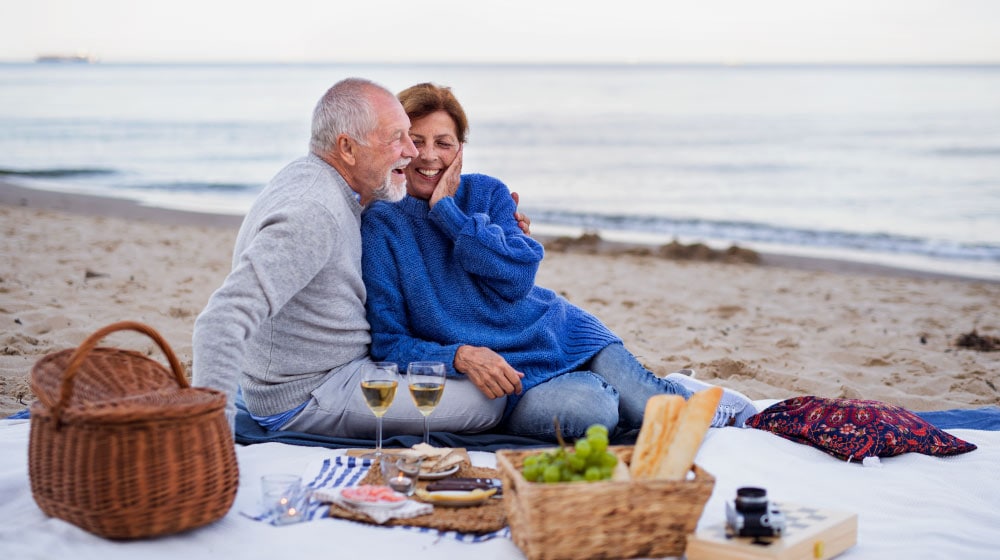

Outdoor spaces in assisted living often become the heart of a community. A sunny patio or quiet garden path is where parents and grandparents can start the day with fresh air, catch up with neighbors, or simply rest under the trees.
Time outside steadies mood, helps memory, and brings back small daily joys. And a courtyard with scattered flowers, shaded benches, or a walking path makes the community feel cozier beyond their suite.
Round-the-clock assistance and nutritious meals are basics. But the spaces outside those routines shape what retired life just as much.
In this guide, you’ll see how outdoor spaces support health, connection, and quality of life in assisted living communities.
1. Keeps memory strong
Cognitive decline often starts with little slips — forgetting a name, missing an appointment, losing track of a story. Many people notice these changes around 70.
Brain-stimulating games and healthy eating help, but time in nature adds something different.
Outdoor spaces give parents and grandparents moments that spark memory. A garden path or familiar flowerbed can bring back long-stored details and stories.
Studies show that seniors who live near green spaces have lower rates of hospitalization for dementia and memory-related diseases such as Alzheimer’s. Even a short stroll outside can help steady focus and keep memory stronger over time.
2. Sharpens attention
Focus tends to fade with age, and it’s part of what we call cognitive decline. You may notice mom drifting off in the middle of a story or dad losing track of what he came into the room to do.
Time outdoors gives the brain a natural chance to recharge.
Psychologists Stephen and Rachel Kaplan even built a whole theory around it, called attention restoration, to explain how nature helps us reset mentally.
The research is there too.
One study found that people who lived in neighborhoods with more green space had steadier attention spans than those with less access.
A quiet bench in the courtyard or a short stroll along the garden path can lift alertness and ease fatigue. That little boost often makes daily tasks, like reading the paper, writing a note, sending a message, feel smoother and less tiring.
3. Calms stress and anxiety
It’s easy to see how stress creeps in as parents and grandparents get older. Too much of it can weigh on mood, cloud thinking, and even raise the risk of health problems like high blood pressure or diabetes.
A short walk outside, a few minutes in the garden, even just sitting under the trees can ease tension.
One study showed that twenty minutes in a park lowered cortisol, the body’s main stress hormone. Other research points to better sleep, steadier blood pressure, and stronger immunity when people spend time in green spaces.
Outdoor areas in assisted living make that kind of calm part of everyday life.
4. Encourages social connection
Loneliness is a real challenge in later life. About one in four older adults live alone, and that isolation can take a toll on both mood and health. It’s linked to higher risks of depression, anxiety, and even conditions like heart disease or stroke.
Outdoor spaces within the community create natural chances to connect easily.
A morning walk, a chat on the patio, or time in the garden often leads to easy conversation. Neighbors share stories, offer encouragement, and build trust in small, everyday ways. And if mom or dad ends up with a walking buddy after that morning stroll? Even better.
Those moments may seem simple, but they go a long way toward easing loneliness and keeping spirits lifted.
6. Enriches Daily Life
Green spaces in assisted living communities invite parents and grandparents to step into the sun, breathe fresh air, and feel part of the day. Sunlight helps keep sleep on track by regulating the body’s natural rhythms. It also provides vitamin D, which strengthens bones and supports the immune system.
Nature gives more subtle boosts too.
Plants release phytoncides, tiny compounds that help white blood cells multiply — the very cells that fight off infection. Add those benefits together and you get steadier health, fewer illnesses, and more energy left for the things that make life enjoyable. A good night’s sleep, stronger defenses, and time spent outside mean more room for hobbies, visits, and simple pleasures.
Where Do You Find Green Spaces in Assisted Living?
Green spaces are part of everyday life, built into the places where parents and grandparents spend their time. You’ll see them in places that make it easy for residents to step out, pause, and enjoy the day.
- Courtyards and patios: Central spots where coffee cups and morning hellos are part of the routine.
- Walking paths: Gentle loops lined with trees and flowers, perfect for stretching the legs or catching up with a neighbor.
- Resident gardens: Plots and flowerbeds where some still like to plant, water, and check on the blooms.
- Outdoor dining areas: Tables set out in the fresh air so meals can be enjoyed under the sky.
- Quiet corners: A shaded bench or chair under a tree that becomes “their spot” for reading or resting.
These small touches add up to a community that feels open, calm, and connected — inside and out.
Health Grows in Green Spaces
Outdoor time does more than brighten a day. It steadies memory, sharpens focus, calms worry, and brings neighbors together. A shaded path, a sunny bench, or a courtyard full of flowers can make retired life feel lighter and more connected. Small daily moments in nature add up to stronger health and a richer life.
Life Blooms at 12 Oaks
Outdoor spaces are part of the rhythm of community life here. Residents gather on the patio for morning coffee, walk garden paths lined with flowers, and take in the quiet calm of shaded courtyards. Every detail is designed to keep parents and grandparents safe, supported, and surrounded by connection.
Find our senior living communities in:
- Arizona
- Kansas
- Massachusetts
- Nebraska
- Oklahoma
- Texas
- Utah
- Wisconsin
If you’d like to see how our communities blend comfort, care, and green space, schedule a tour with us today.