


We get it – home insurance can put a strain on anyone’s budget, especially for seniors in their golden years living off of their retirement savings. But protecting that cherished home shouldn’t mean sacrificing financial peace of mind.
We’re here to help you find smart ways to get the coverage your loved ones need without breaking the bank. After all, a safe and secure home is the foundation for a happy retirement.
From exploring discounts to fine-tuning coverage, we’ll walk you through the steps to make home insurance more affordable. So, let’s get started and make sure your parents or grandparents can enjoy their golden years worry-free.
Factors Affecting Home Insurance Rates for Seniors

Several factors can influence the cost of home insurance for seniors, each playing a role in determining premiums. Understanding these factors can help you strategize how to extend your homeowners insurance budget and potentially find ways to save.
-
Age
Age can be a double-edged sword when it comes to home insurance. While some insurers offer discounts specifically for seniors, others may view older homeowners as a higher risk, potentially leading to slightly increased premiums. It’s essential to shop around and compare quotes from different providers to find the best rates for your situation.
-
Location
Where your parents or grandparents live significantly impacts their insurance premiums. Homes located in areas with high crime rates, frequent natural disasters, or limited access to fire hydrants may face higher premiums. Conversely, living in a safe neighborhood with good infrastructure can lead to lower insurance costs.
-
Credit Score
In many states, insurers use credit scores to assess risk and determine premiums. A good credit score can often translate to lower insurance rates. If your loved one’s credit score needs improvement, encourage them to take steps to boost it, such as paying bills on time and reducing debt.
-
Claims History
A history of filing insurance claims can lead to higher premiums. It’s essential to encourage proactive home maintenance and safety measures to prevent accidents and damage, potentially saving money in the long run.
-
Home Age, Condition, and Safety Measures
Older homes may require additional coverage or updates to meet insurance requirements, which can affect premiums. However, installing safety features like smoke detectors, burglar alarms, and fire-resistant roofing can qualify homeowners for discounts.
-
Coverage and Deductibles
The level of coverage you choose and the deductible you select will directly impact your premium. Higher coverage limits and lower deductibles typically result in higher premiums. It’s important to find the right balance between protection and affordability, considering your family’s specific needs and budget.
Tips for Finding Affordable Homeowners Insurance for Seniors
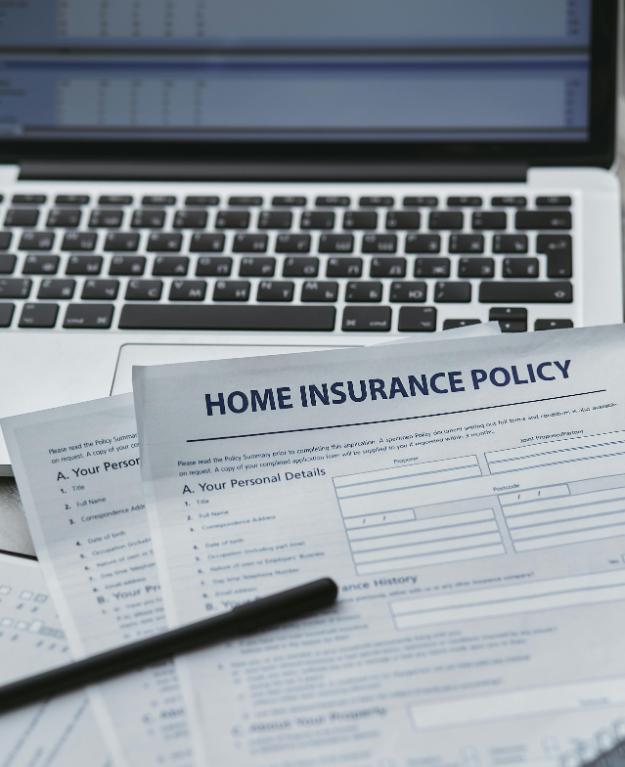
Finding affordable home insurance for seniors is all about knowing where to look and what to ask for. We’ve put together a list of practical tips to help you navigate the process and secure the best possible rates for your parents or grandparents.
1. Collect and compare quotes
Every insurer uses its own unique formula to calculate premiums, factoring in details like your credit history and the age of your home. To secure the best rate and coverage tailored to your specific situation, it’s vital to gather quotes from multiple providers and compare them carefully.
2. Inquire about senior Discounts
Many insurance companies recognize the unique needs of seniors and offer special discounts. Be proactive and ask about these discounts, which may include savings for mature homeowners, completing defensive driving courses, maintaining low mileage, or even belonging to organizations like AARP.
3. Raise your deductible
Your deductible is the amount you’ll pay out-of-pocket before your insurance coverage kicks in. Consider opting for a higher deductible to lower your monthly premiums. Just make sure you can comfortably afford the deductible in the event of a claim.
4. Bundle your insurance policies
Streamline your insurance and potentially save money by bundling your home insurance with other policies, like auto or life insurance, under one provider. Many insurers offer attractive multi-policy discounts.
5. Enhance your home security
Boosting your home security can not only protect your property but also make you eligible for discounts on your home insurance. Consider installing deadbolt locks, adding a security system, or upgrading smoke detectors and fire extinguishers.
6. Invest in home improvements
Certain home improvements, like updating electrical or plumbing systems or replacing an old roof, can show insurers that you’re proactive about maintaining your home. This can lead to lower premiums, as it reduces potential risks.
7. Consider a senior-specific policy
Some insurers offer specialized policies designed with seniors in mind. These policies may include additional benefits or discounts tailored to their needs. Explore these options to see if they offer the right coverage and savings for your situation.
8. Review your coverage annually — before renewal
Just like life, your insurance needs can evolve over time. It’s wise to review your policy annually, preferably before it’s up for renewal. This helps you ensure that you have the right coverage for your current needs and aren’t paying for anything you no longer require.
The right home insurance policy can provide peace of mind for both you and your senior family members. Don’t hesitate to reach out to insurance providers and ask questions to ensure you’re getting the coverage you need at a price you can afford.