
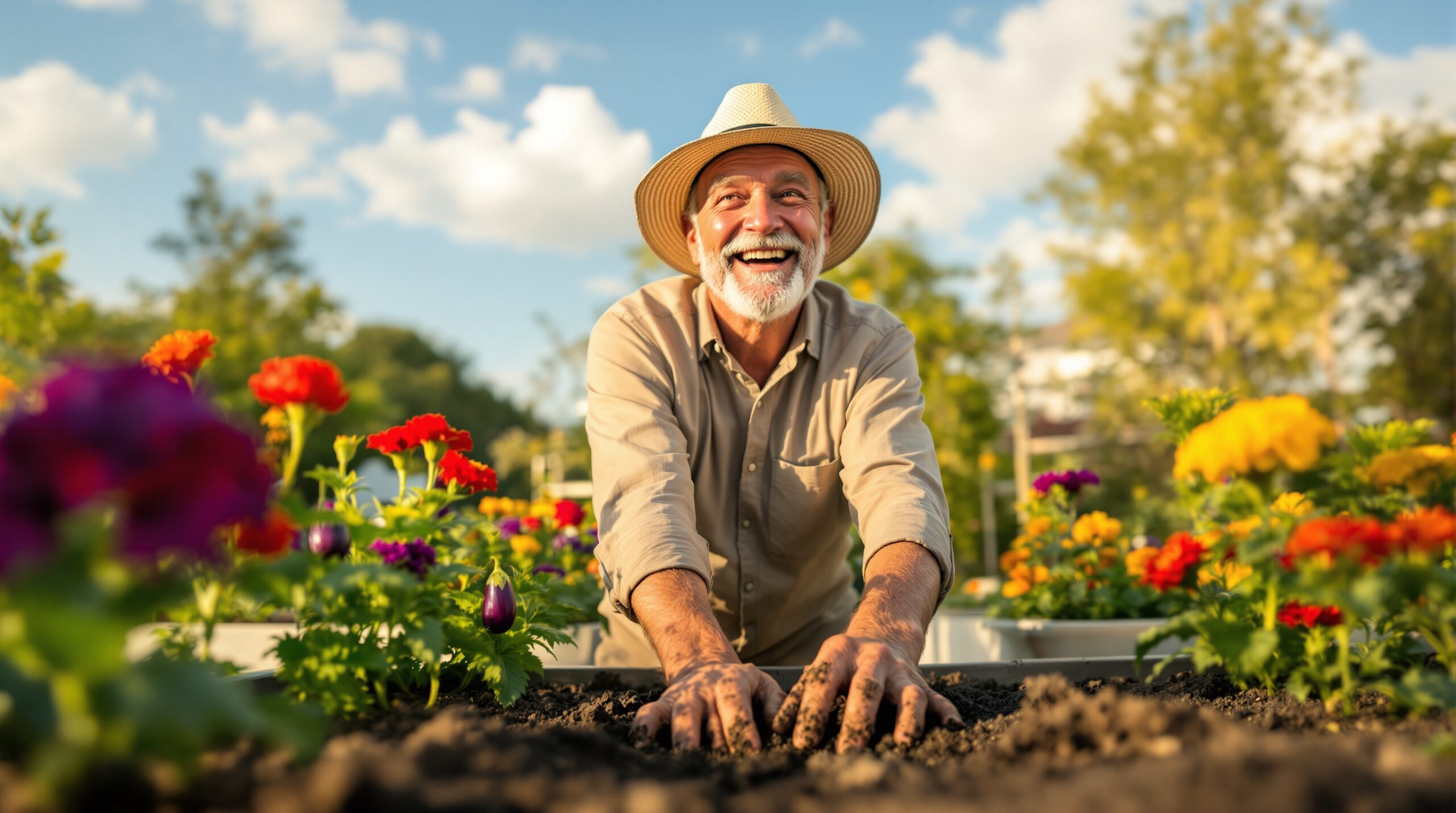

There’s something deeply satisfying about planting a seed, nurturing it with care, and watching it grow. Gardening has been a source of joy and sustenance for centuries, and modern science is now confirming what gardeners have always known intuitively, working with plants is profoundly good for your health.
For older adults, gardening offers a unique combination of physical exercise, mental stimulation, emotional fulfillment, and social connection. Whether you have a sprawling backyard or a single pot on a windowsill, the benefits of gardening are available to everyone.
The Science of Gardening and Health
A groundbreaking 2023 study published in The Lancet Planetary Health followed nearly 300 adults who participated in community gardening programs. The results were striking: gardeners experienced significant reductions in stress, anxiety, and body mass index compared to non-gardeners. The researchers concluded that gardening is one of the most effective lifestyle interventions for improving both mental and physical health.
Physical Benefits
Low-Impact Exercise
Gardening involves a surprising amount of physical activity, digging, planting, weeding, watering, and harvesting all engage different muscle groups. According to the CDC, 30 minutes of gardening burns approximately 150 to 300 calories, comparable to light aerobic exercise.
For seniors, this type of moderate, varied movement is ideal. It improves:
- Strength. Particularly in the hands, arms, and core
- Flexibility. Reaching, bending, and stretching keep joints mobile
- Endurance. Sustained garden work builds stamina gradually
- Fine motor skills. Handling seeds, tools, and delicate plants exercises dexterity
Vitamin D Exposure
Spending time in the garden means spending time in sunlight, which helps the body produce vitamin D, essential for bone health, immune function, and mood regulation. Even 15 to 20 minutes of sun exposure during gardening can make a meaningful difference.
Better Nutrition
When you grow your own fruits, vegetables, and herbs, you’re more likely to eat them. Home-grown produce is fresher, more nutritious, and free from the pesticides and preservatives found in some store-bought options. Even a small container garden can yield cherry tomatoes, fresh basil, lettuce, and peppers.
Mental and Cognitive Benefits
Stress Reduction
Gardening lowers cortisol, the body’s primary stress hormone. A 2022 study in Urban Forestry & Urban Greening found that just 30 minutes of gardening reduced stress levels more effectively than 30 minutes of indoor reading.
Cognitive Engagement
Planning a garden layout, remembering planting schedules, identifying different species, and problem-solving when plants struggle, all of these activities engage the brain in complex, meaningful ways. For older adults concerned about cognitive decline, gardening provides regular mental stimulation in a naturally enjoyable context.
Sense of Purpose
Tending a garden creates a daily sense of responsibility and accomplishment. Plants need water, attention, and care, and providing that care gives gardeners a reason to get up, go outside, and engage with the world. This sense of purpose is strongly associated with longevity and well-being in older adults.
Emotional and Social Benefits
Connection to Nature
The Japanese concept of “shinrin-yoku” (forest bathing) recognizes the healing power of spending time in nature. Gardening offers a similar experience on a smaller scale, the feel of soil between your fingers, the scent of flowers, the sound of birds nearby. These sensory experiences ground us in the present moment and promote emotional balance.
Community and Belonging
Community gardens and gardening clubs offer wonderful opportunities for social interaction. Sharing seeds, trading gardening tips, and admiring each other’s plots creates natural bonds between people of all ages and backgrounds.
Legacy and Giving
There’s a special joy in sharing your harvest with neighbors, friends, and family. A bouquet of home-grown flowers or a basket of fresh vegetables is a gift that carries love, effort, and personal meaning.
Adaptive Gardening for Every Ability
Physical limitations shouldn’t prevent anyone from enjoying gardening. With simple adaptations, gardening can be accessible to nearly everyone:
Raised Beds and Container Gardens
Raised garden beds and containers bring the garden up to a comfortable height, eliminating the need to kneel or bend. They can be placed on patios, balconies, or even indoors near a sunny window.
Ergonomic Tools
Lightweight tools with padded, easy-grip handles reduce strain on hands and wrists. Long-handled tools minimize reaching and bending.
Seated Gardening
Garden stools, kneelers with handles, and even wheelchair-accessible garden beds make it possible to enjoy gardening while seated.
Indoor Gardens
Windowsill herb gardens, succulents, and small houseplants bring the benefits of gardening indoors, perfect for colder months or limited outdoor access.
Getting Started
You don’t need experience or a green thumb to begin gardening. Start small:
- Choose easy-to-grow plants. Marigolds, tomatoes, basil, and zinnias are forgiving and rewarding for beginners
- Start with containers. A few pots on a sunny patio is a perfect first garden
- Join a group. Gardening with others makes learning fun and provides built-in social support
- Be patient. Not everything will grow perfectly, and that’s okay. Gardening teaches resilience and acceptance
Watch Something Beautiful Grow
Gardening is more than a hobby. It’s a form of self-care that nourishes the body, sharpens the mind, and feeds the soul. Every seed planted is an act of hope, and every bloom is proof that growth is possible at any age.
At 12 Oaks Senior Living, gardening is a cherished part of community life. Many of our communities feature garden spaces where residents can dig in, grow their favorite plants, and enjoy the beauty and bounty of their own handiwork. Discover how our communities help residents bloom where they’re planted.